
Evolving under strain: Networks, cyber and EW in transition
What’s next in the military’s digital realm? Catch up on Breaking Defense’s coverage of how the Army’s reorganization, federal staff cuts and more are reshaping nonkinetic operations.
What’s next in the military’s digital realm? Catch up on Breaking Defense’s coverage of how the Army’s reorganization, federal staff cuts and more are reshaping nonkinetic operations.

Those in charge of outfitting EW capabilities are on the hook for finding a modular solution with little to no details about what it may be placed on.

"It would be unnatural actually to leave that the way it is, having significantly changed the requirements as much as we have," Joe Welch, deputy to the commanding general of Army Futures Command (AFC), told Breaking Defense.

Brandon Pugh came over from the think-tank world about eight weeks ago to serve as the service's third ever PCA.
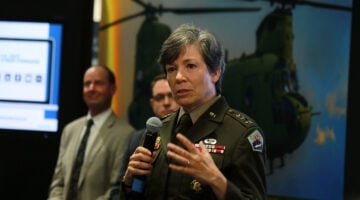
"The biggest opportunities that I see are from a modularity and platform independence standpoint," Lt. Gen. Maria Barrett, the commanding general of Army Cyber Command, said.

The model, called Common Hardware Software Solutions Tactical Radios (CHESS-TR), is currently in the “concept stage” within the Army Software Factory.
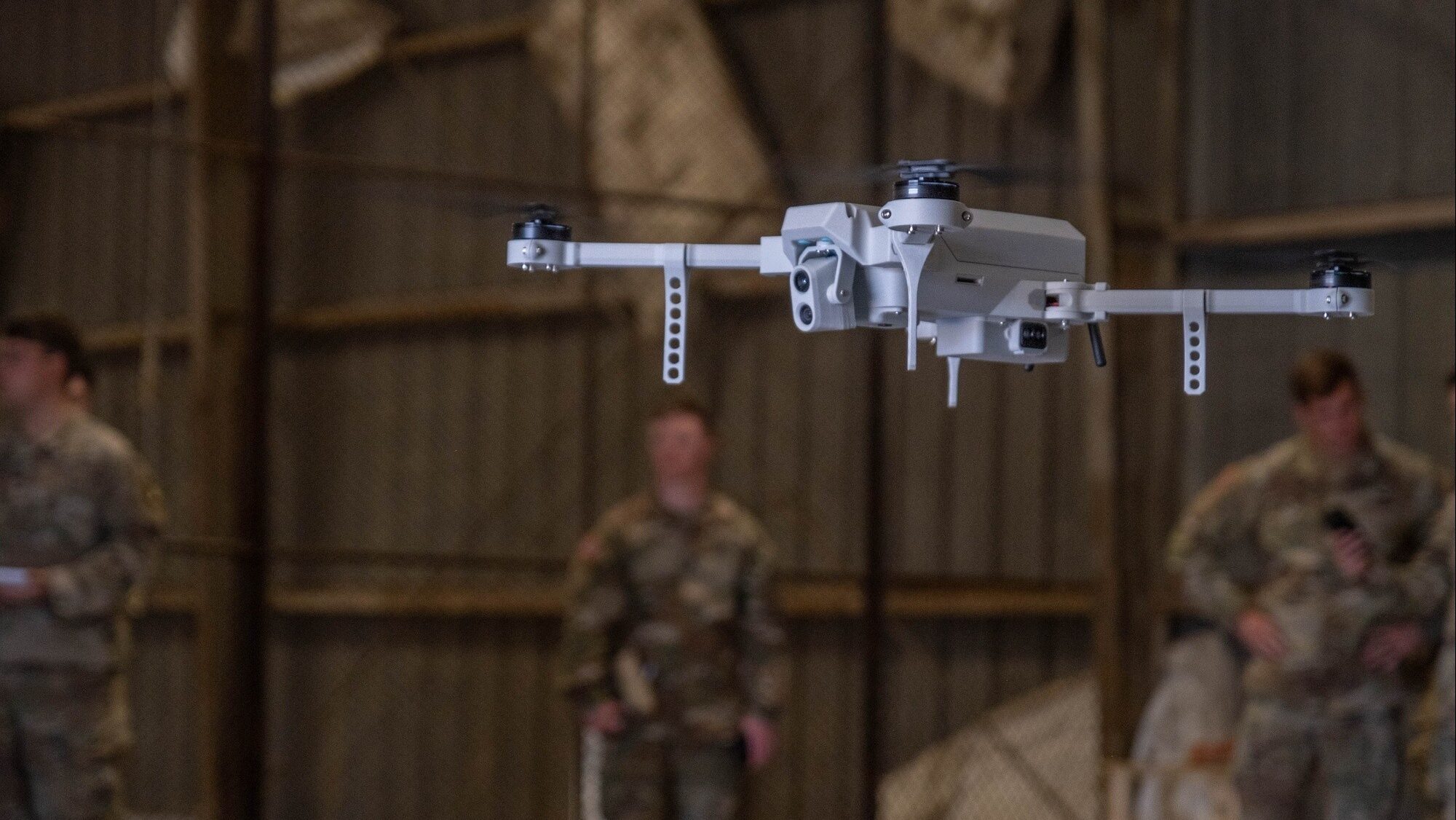
The solicitation is broad-ranging, calling for tech for use in eight "capability focus areas," from unmanned mine-clearers to "drone swarm or sensor-to-shooter systems that aid in target acquisition, fire adjustment, massing of fires, and attack capabilities."
“If [adversaries] see that we're unable to respond, as we have in the past, then it's very likely that we will see an increase in malicious activity," one expert told Breaking Defense. "No question about it."

Up until now DISA was able to create four completed JELAs in the span of 10 years, so creating three more in three years, as is DISA's goal, may prove to be tricky.